PULMONOLOGY
We evaluate, diagnose and treat lung and chest diseases with an emphasis on complex cases
Respiratory symptoms
Persistent cough
Shortness of breath
Wheezing
Airway conditions
Asthma
Chronic obstructive pulmonary disease (COPD)
Emphysema
Bronchitis, acute or chronic
Bronchiectasis
Cancer
Respiratory infections
Pneumonias
Bronchitis
Tuberculosis
Mycobacterium avium complex (MAC)
Diagnostic tests
Digital spirometry
6 Minute Walk Test
Oximetry with ambulation
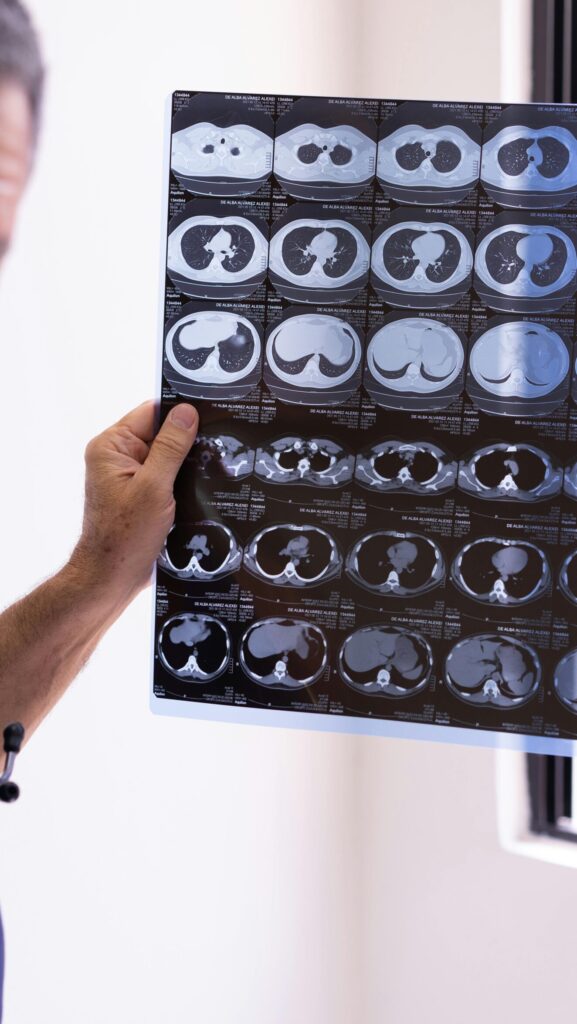
Pleura
Pleural effusions
Pneumothorax
Lung tissue
Interstitial lung diseases
Lung involvement in autoimmune conditions (lupus, rheumatoid arthritis, scleroderma, etc)
Pulmonary fibrosis
Sarcoidosis
Cancer
Pulmonary vascular disorders
Pulmonary hypertension
Pulmonary embolism
Pulmonary vasculitis
Abnormal chest imaging
Pulmonary nodules
Other pulmonary imaging findings
Chronic respiratory failure
Oxygen therapy
Positive airway pressure ventilation
Tracheostomy management
FAQ
What is Pulmonary Medicine / Pulmonology?
(from the Greek, Pneumo = lung and Logia = study or treatise). It is the medical specialty that studies diseases of the lungs, respiratory tract and thorax. It is a subspecialty of Internal Medicine or Pediatrics. In the U.S., this means that the physician must first finish the specialty in Internal Medicine (general adult medicine) or Pediatrics in order to then be able to sub-specialize in Pulmonology or Pediatric Pulmonology..
What's the relationship between pulmonology, sleep medicine and critical care medicine?
Breathing is the common link between these specialties since it is affected to a greater or lesser extent by critical illness, sleep disorders and/or pulmonary diseases..
I feel breathless or short of breath when I walk or exercise. Why can this be?
Dyspnea or shortness of breath is a common complaint in pulmonary medicine. Its presence does not necessarily indicate that the underlying problem is in the lungs.
Shortness of breath can be caused by disorders of the respiratory or cardiovascular systems, as well as by anemia, obesity, or poor physical conditioning.
Persistent or progressively worsening dyspnea requires medical evaluation to determine its underlying cause and to rule out potentially serious conditions.